
This collection of academic resources focuses on the formation and characteristics of Widmanstätten ferrite, a specific microstructural phase found in steel and meteorites. The materials examine the nucleation and growth processes of these metallic plates, often utilising confocal laser microscopy to observe their development in real-time during cooling. Scientific discussions within the text cover the interfacial structures, diffusion-controlled kinetics, and the mechanical stabilisation of the substance in high-strength alloys.
In addition to technical lectures and doctoral research, the sources provide visual micrographs and video demonstrations to illustrate how these ferrite plates emerge from austenite (γ) grain boundaries. The compilation serves as a comprehensive educational guide, offering research abstracts, theses, and videos from prestigious metallurgical institutions. Ultimately, the information clarifies the structural transformation of low-carbon steel and the resulting physical properties of the treated metal.
The term Widmanstätten can in principle also be written "Widmanstaetten", because the official replacement for the a-umlaut character (ä) on systems that do not support umlaut characters is ae for ä, oe for ö and ue for ü. This was pointed out by Eric Jägle.
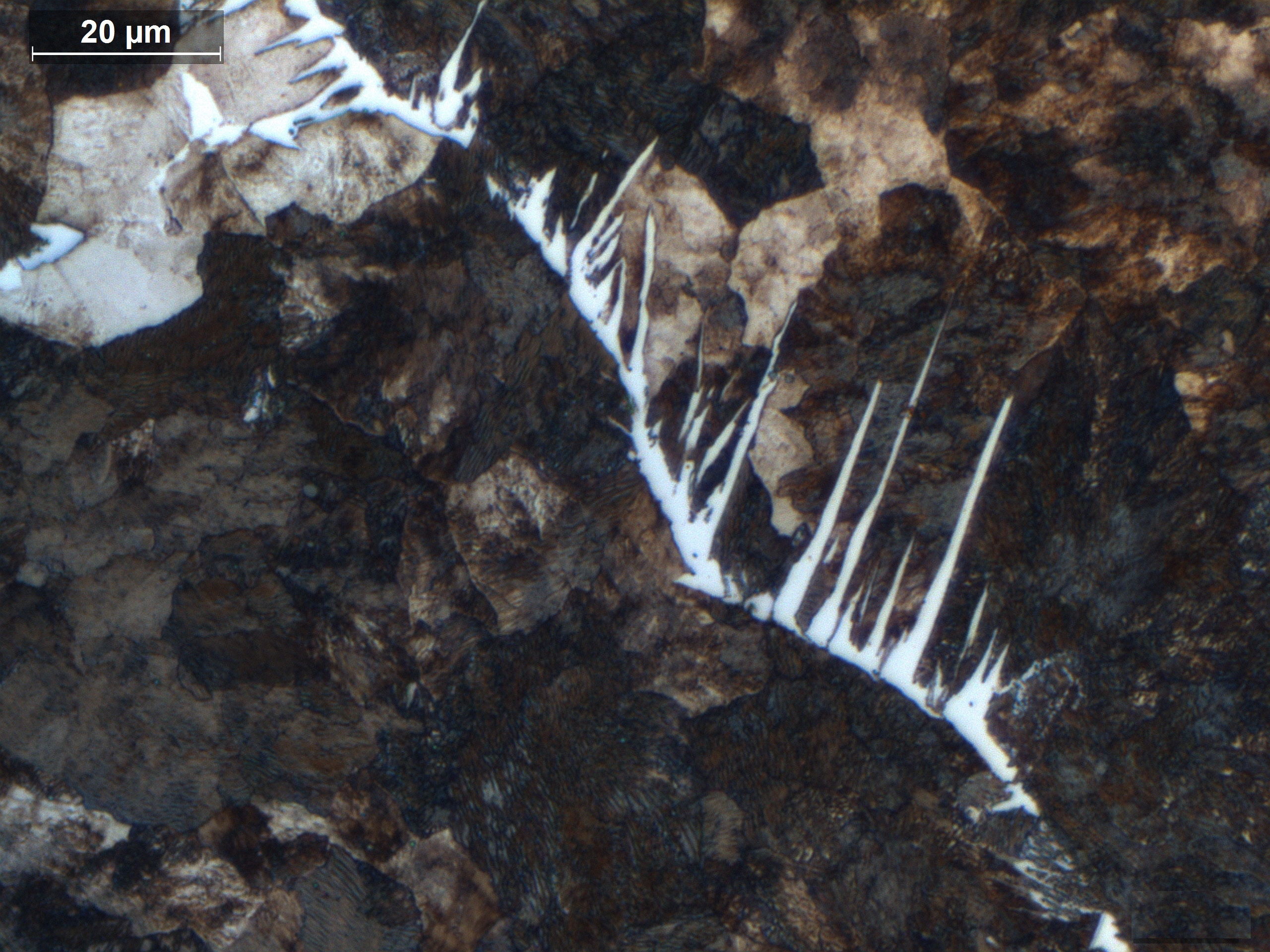
Movie created using confocal laser microscopy, showing the growth of Widmanstätten ferrite, courtesy of Professor Toshihiko Koseki. Details in In situ observation of ferrite plate formation in low carbon steel during continuous cooling process, N. Oku, K. Asakura, J. Inoue and T. Koseki, Tetsu-to-Hagane, Vol. 94 (2008) 363-368.
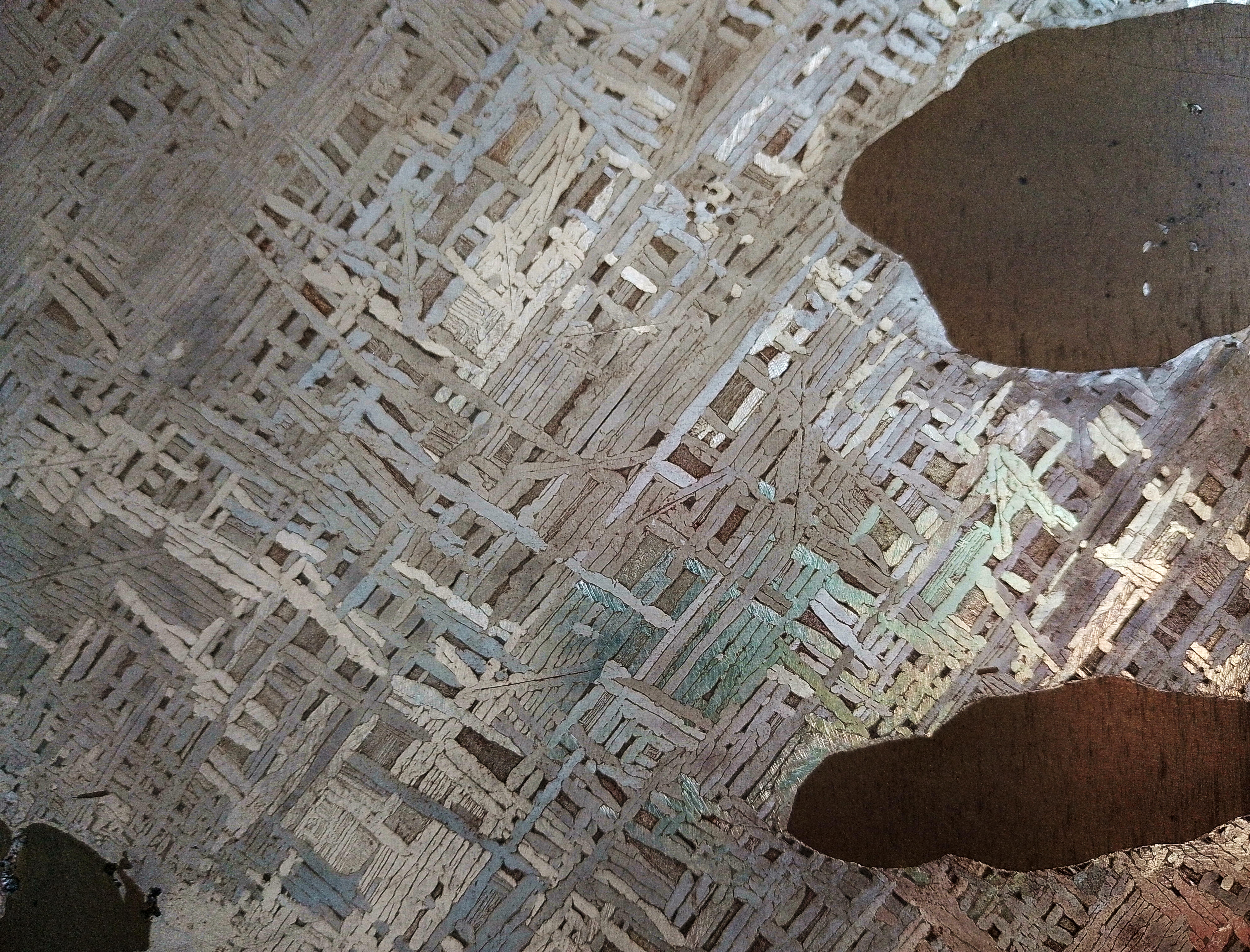
The meteorite was discovered by Professor Vagn Fabritius Buchwald of DTU back in 1965 in Iceland.
|
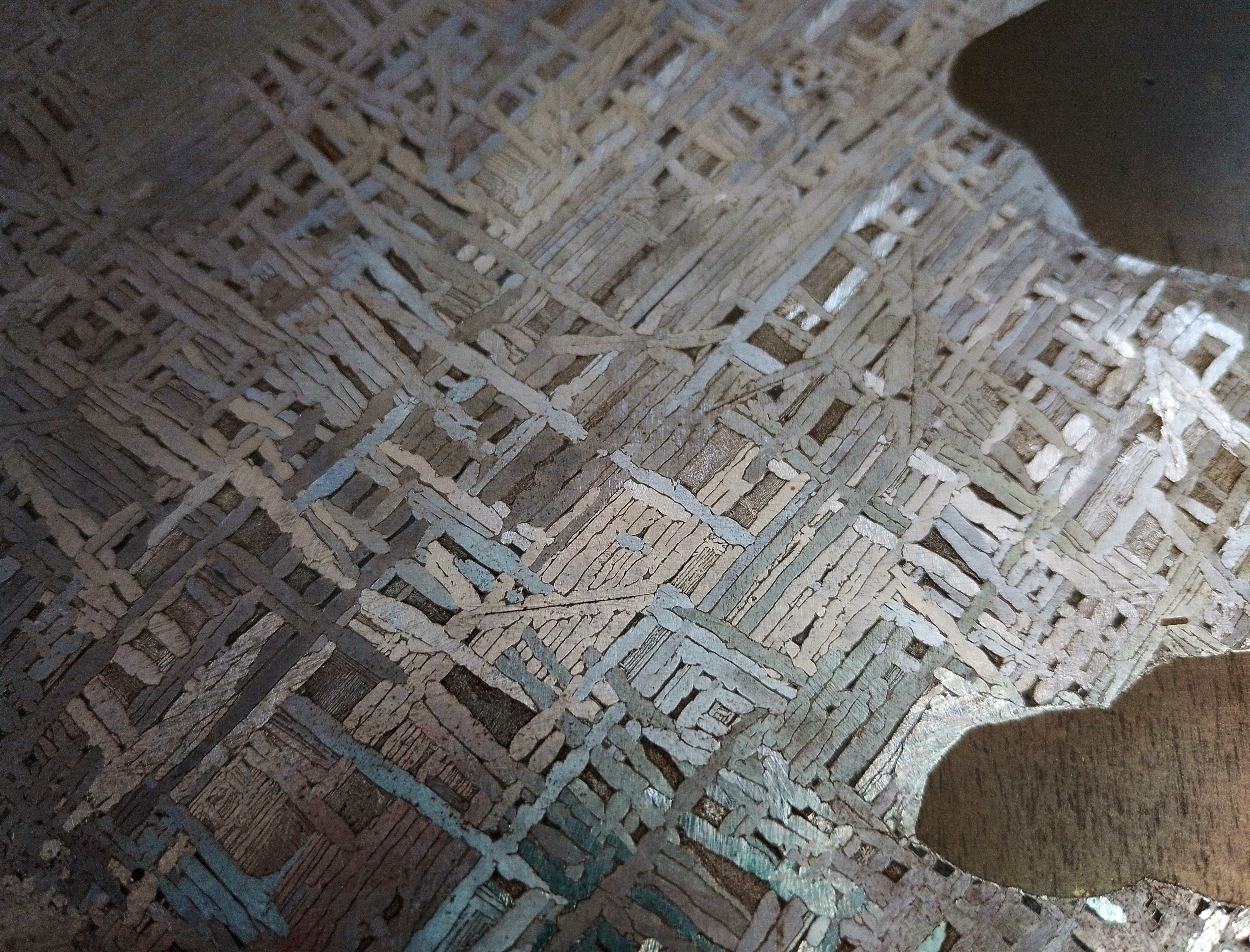
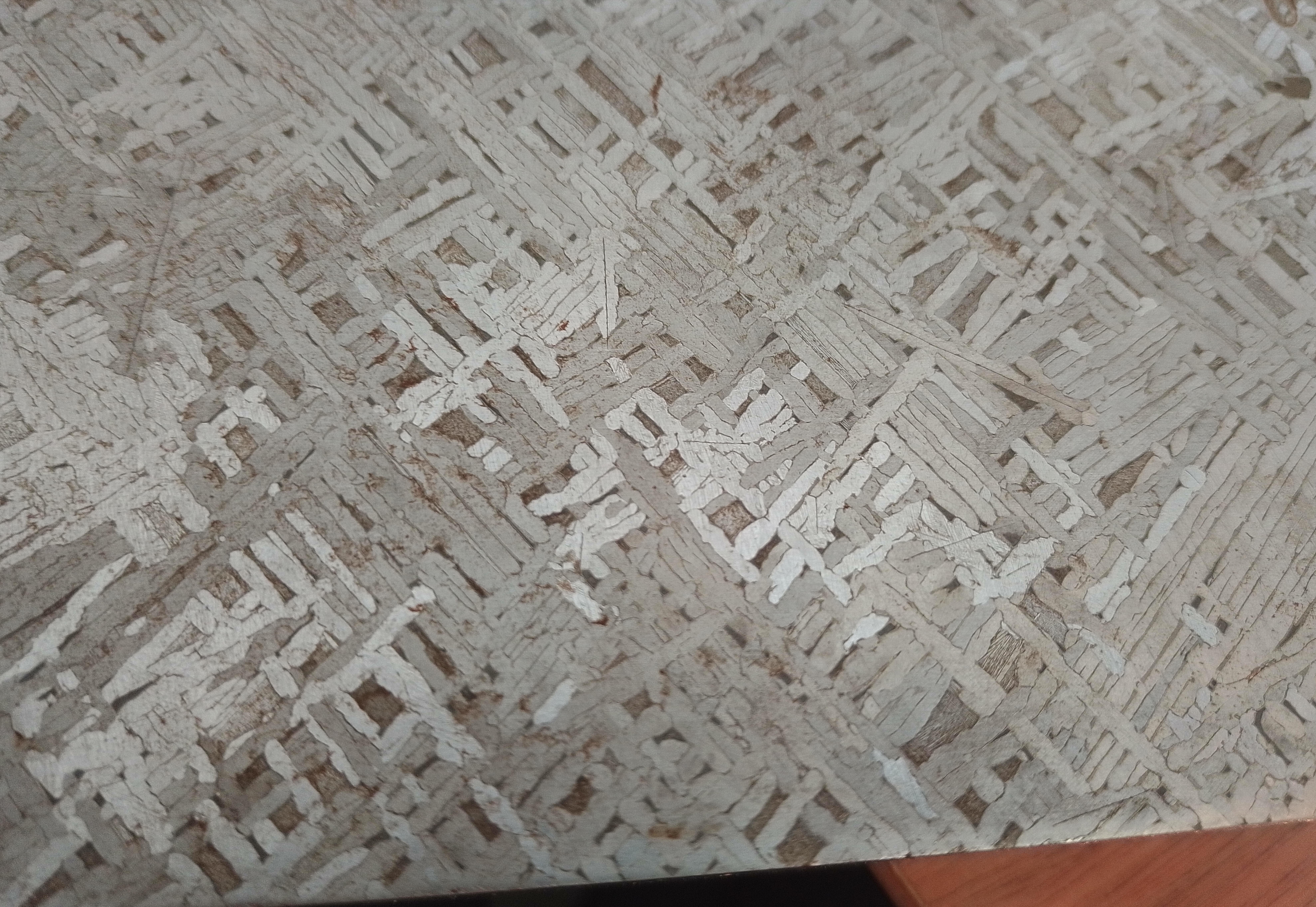
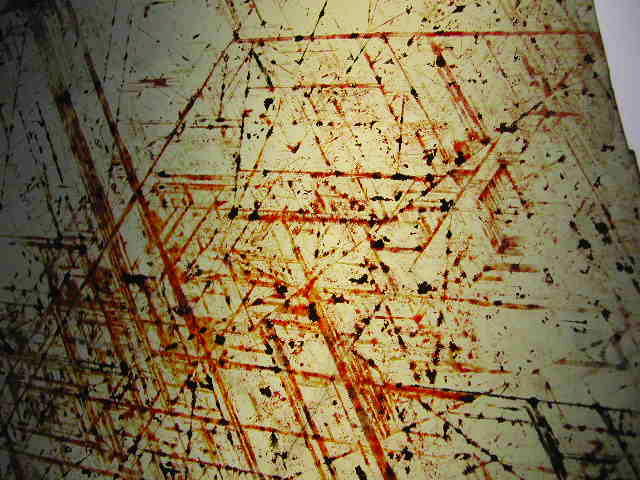
Shows the lovely Widmanstätten pattern typical of incredibly slow cooling through the transformation temperature. In geological terminology, it is the transformation from taenite to kamacite.
|
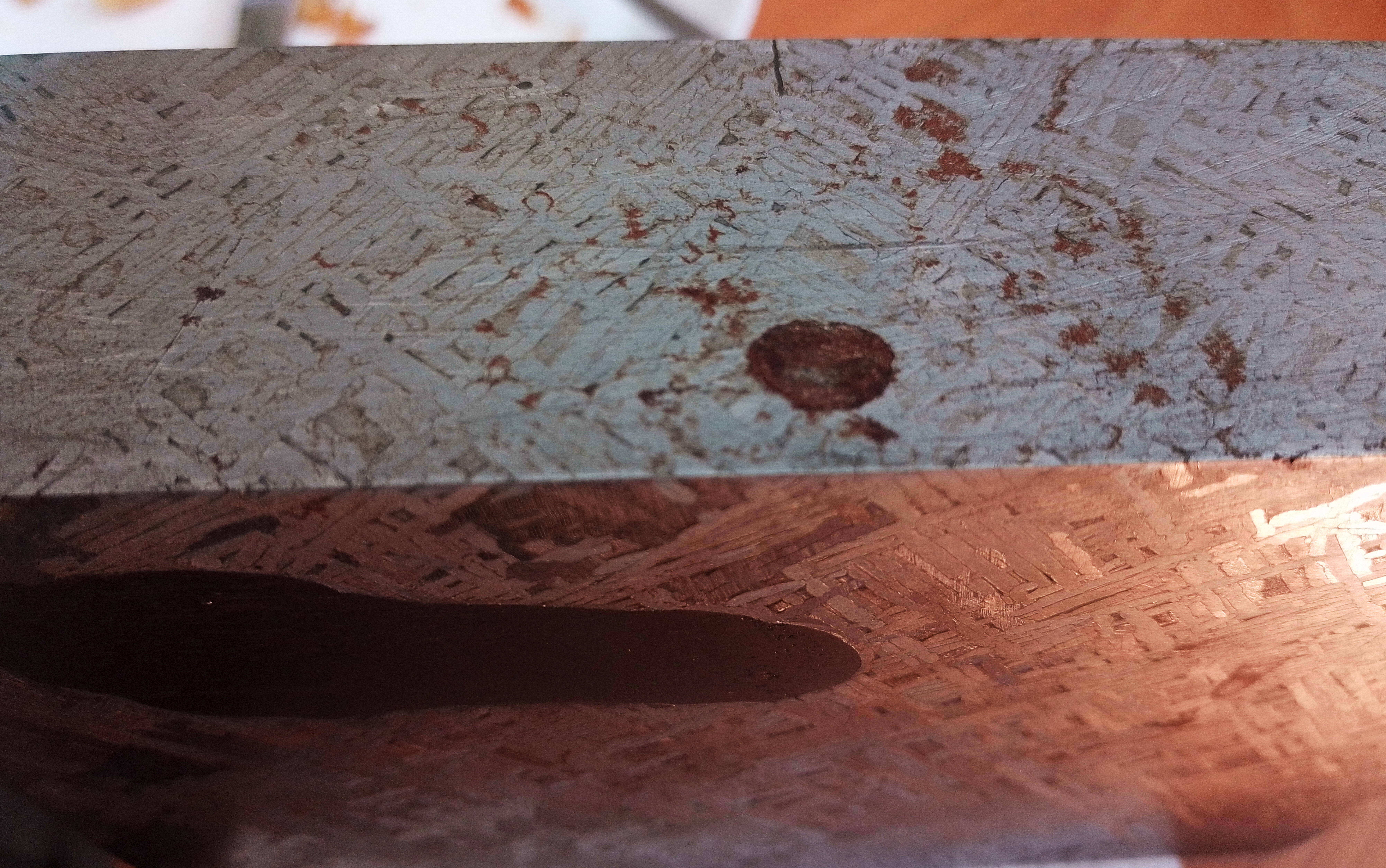
Professor Somers' sample was as big as a book and we could see the structure in three-dimensions along the edge.
|
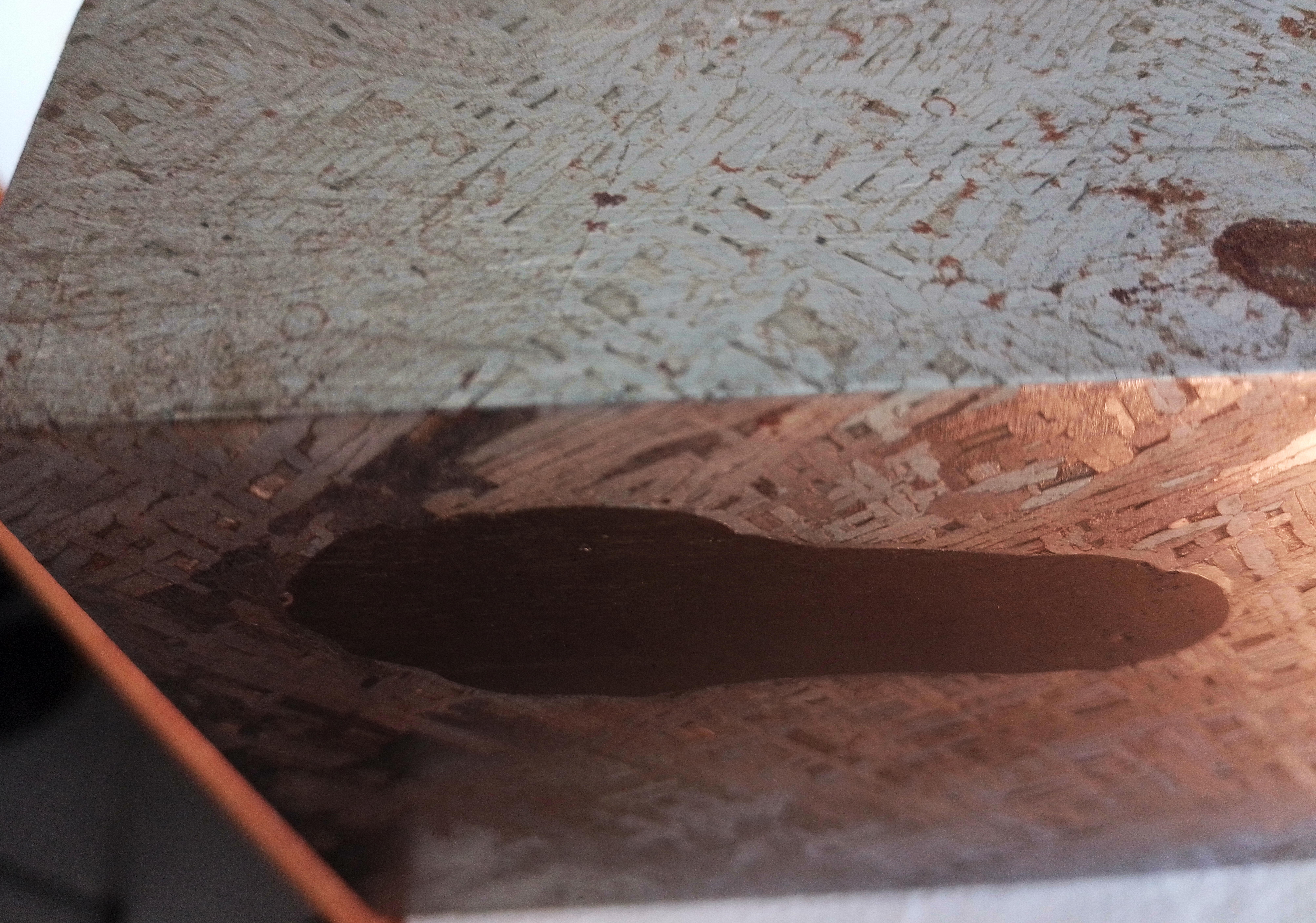
A careful examination shows Widmanstätten ferrite exhibiting a plate morphology for those crystals that have traces on both surfaces.
|
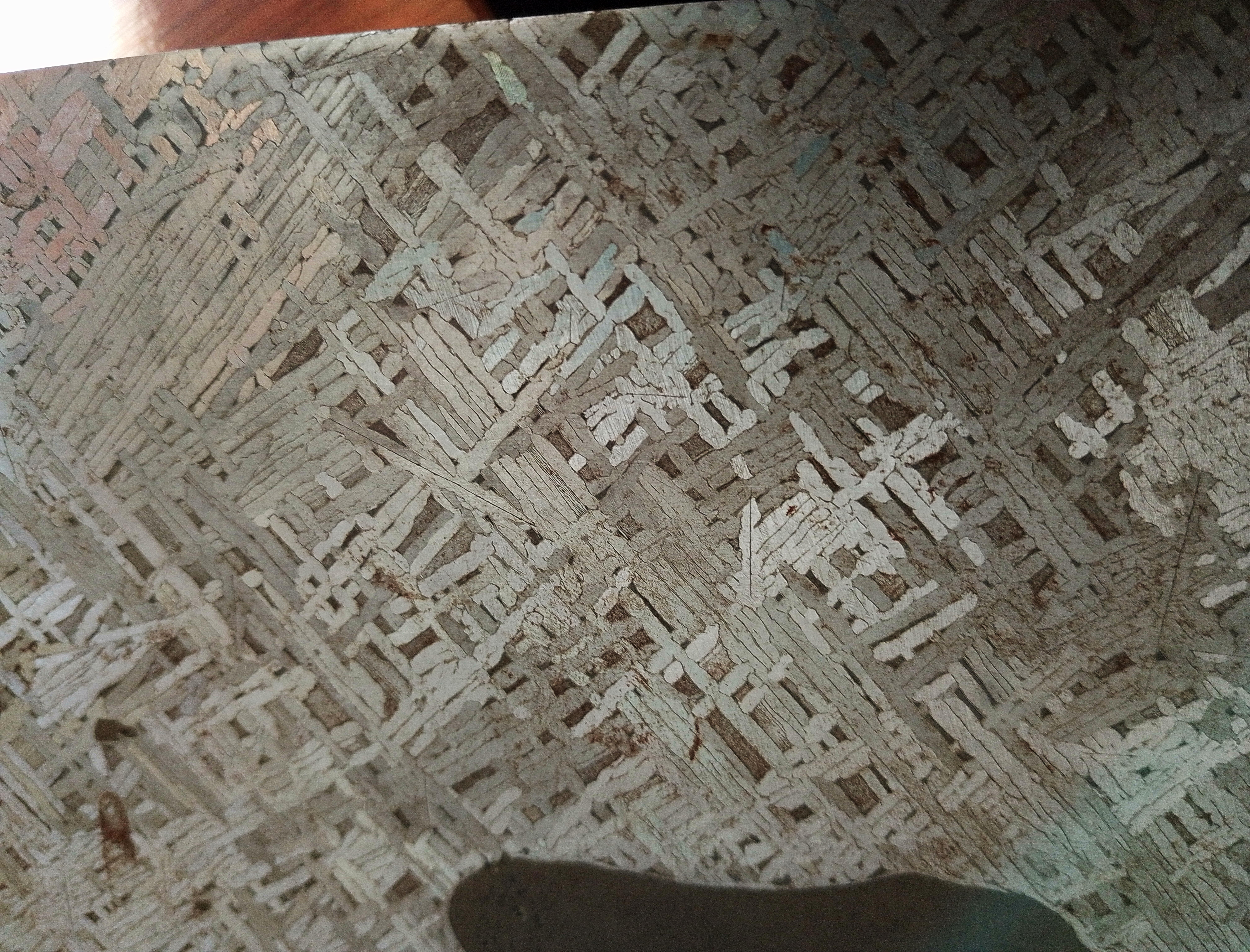
Harry has asked Marcel to arrange for a careful re-polish so that we can see the three-dimensional shape with greater clarity.
|
|
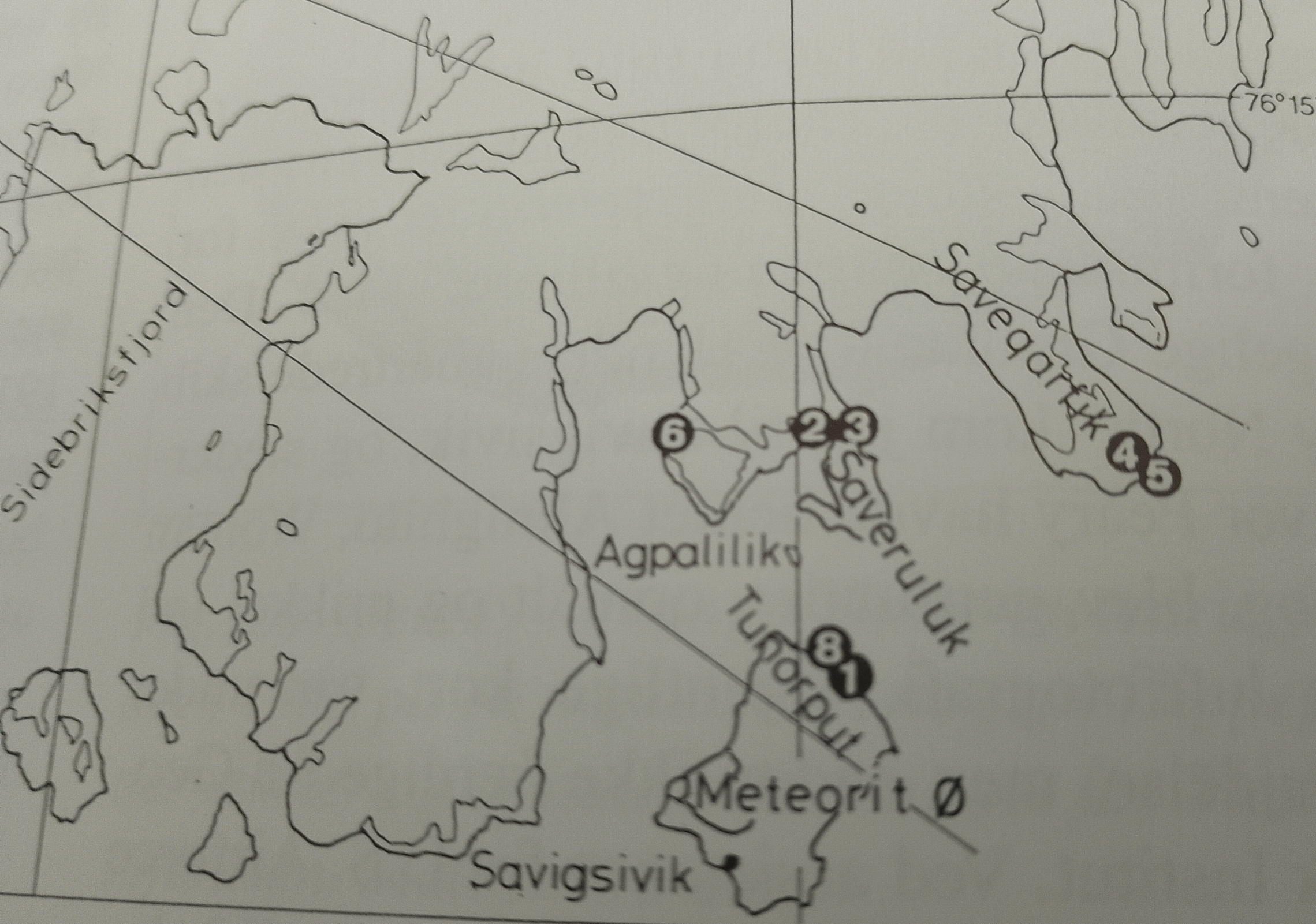
The location where the meteorite was found.
|
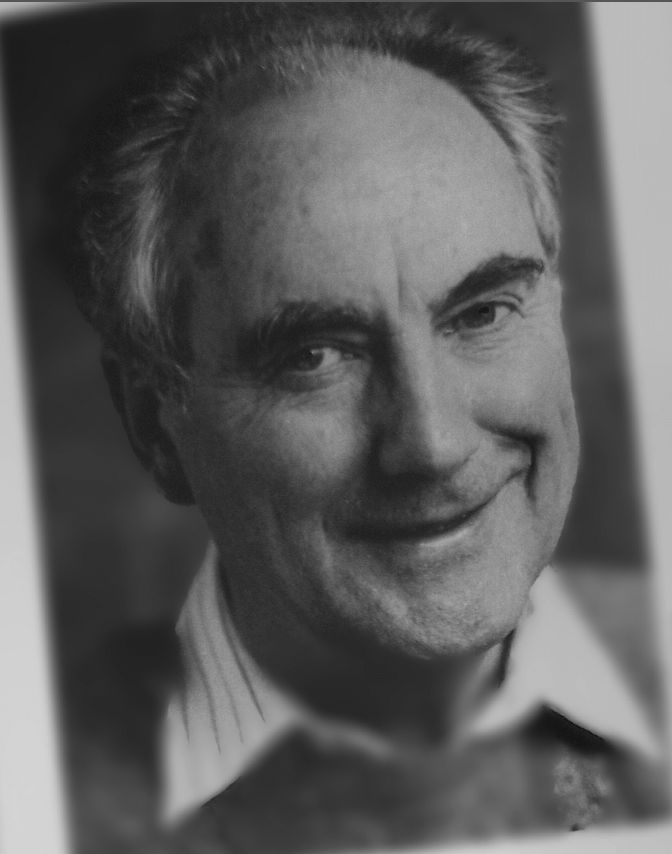
Professor Vagn Fabritius Buchwald pictured on his book on meteorites.
|
Detailed review of properties, formation mechanisms, and mechanical implications. Use the buttons below each question to reveal the model answers.
Instructions: Use the source context to develop comprehensive responses to the following prompts.
| Term | Definition |
|---|---|
| Ae1 and Ae3 Curves | Equilibrium phase boundaries on a phase diagram separating ferrite, austenite, and pearlite regions. |
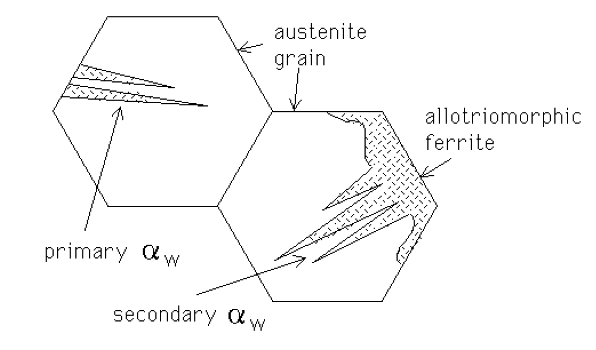
| Allotriomorphic Ferrite | A layer of ferrite that forms at austenite grain boundaries via a reconstructive (diffusional) transformation. |
| Atomic Correspondence | The disciplined, one-to-one movement of atoms during a displacive transformation, preserving their relative spatial sequence. |
| Crystallographic Grain Size | The size of a region in a metal where the crystals share the same orientation; this is the effective grain size that determines crack deflection. |
| Displacive Transformation | A phase change characterised by the coordinated movement of atoms, resulting in a change in shape and significant strain energy (e.g. martensite). |
| Fick's Law | A principle used to calculate the diffusion flux of atoms based on a concentration gradient and a diffusion coefficient. |
| Habit Plane | The specific crystallographic plane along which a ferrite plate grows within the parent austenite grain. |
| Interfacial Energy | The energy cost associated with creating a new surface area between the parent and product phases during transformation. |
| Para-equilibrium | A state where interstitial atoms (carbon) reach equilibrium between phases, but substitutional atoms (manganese, nickel) remain immobile. |
| Parabolic Cylinder | The geometric shape used to model the tip of a Widmanstätten ferrite plate for kinetic calculations. |
| T0 Temperature | The temperature at which the Gibbs free energies of the austenite and ferrite phases of the same composition are equal. |
| Tie Line | A horizontal line on a phase diagram connecting the compositions of two phases in equilibrium at a specific temperature. |